DEVI

An ancestral house of functional foods

Strength the way India already knew it.

A letter from the founder

Why Devi exists

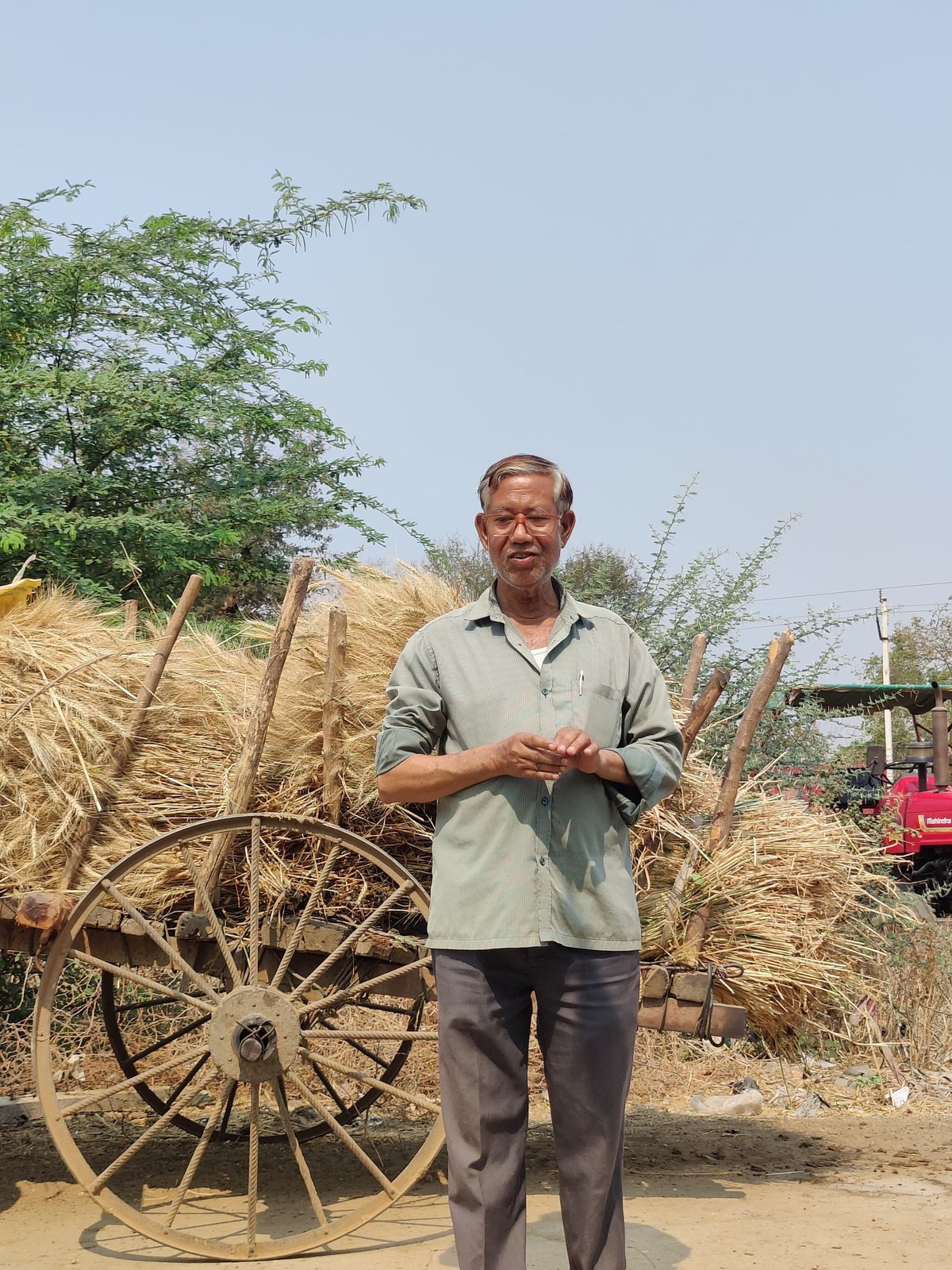
Rohit Debnath, founder of Devi Organic Foods, photographed in Vidarbha
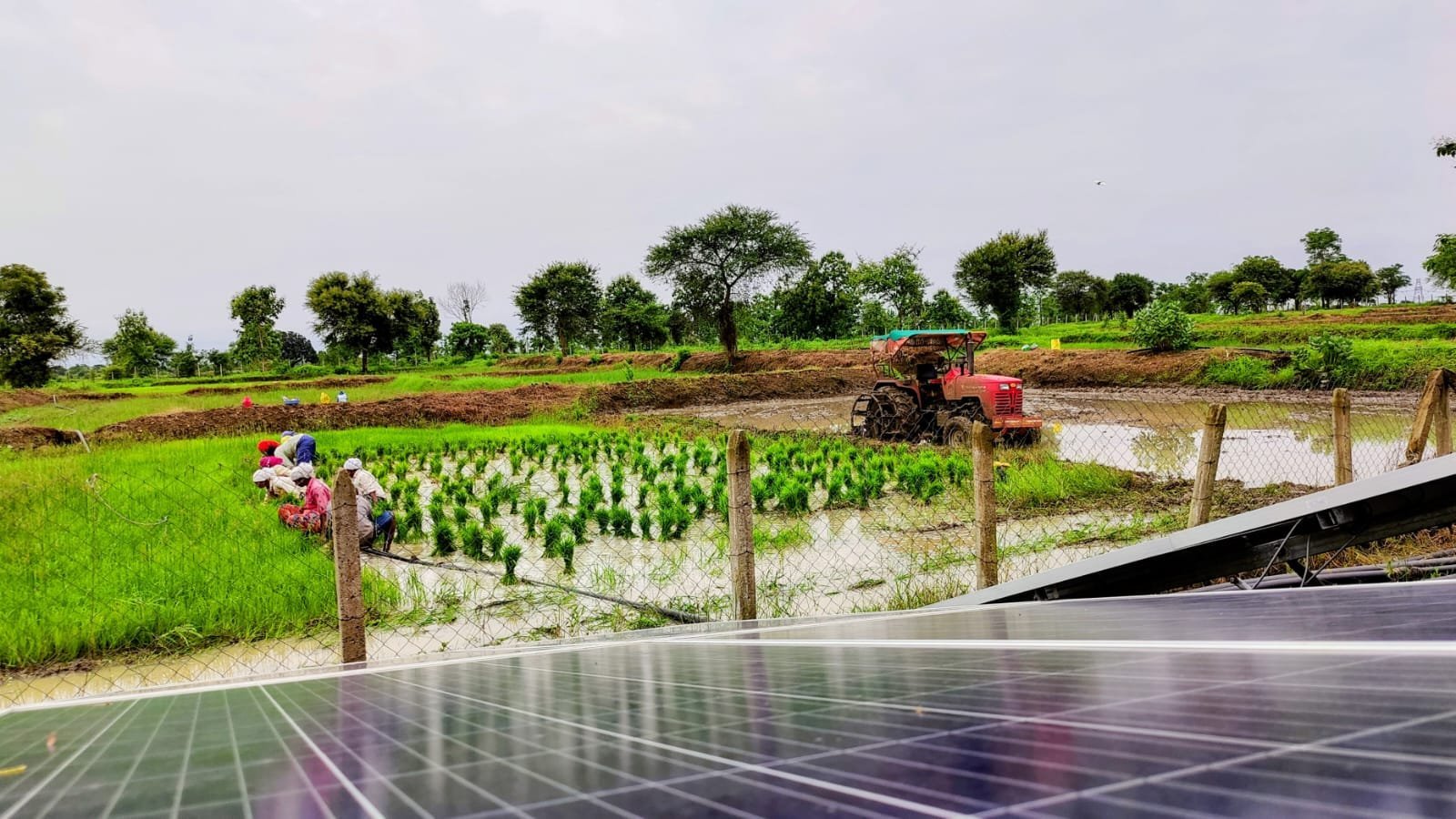
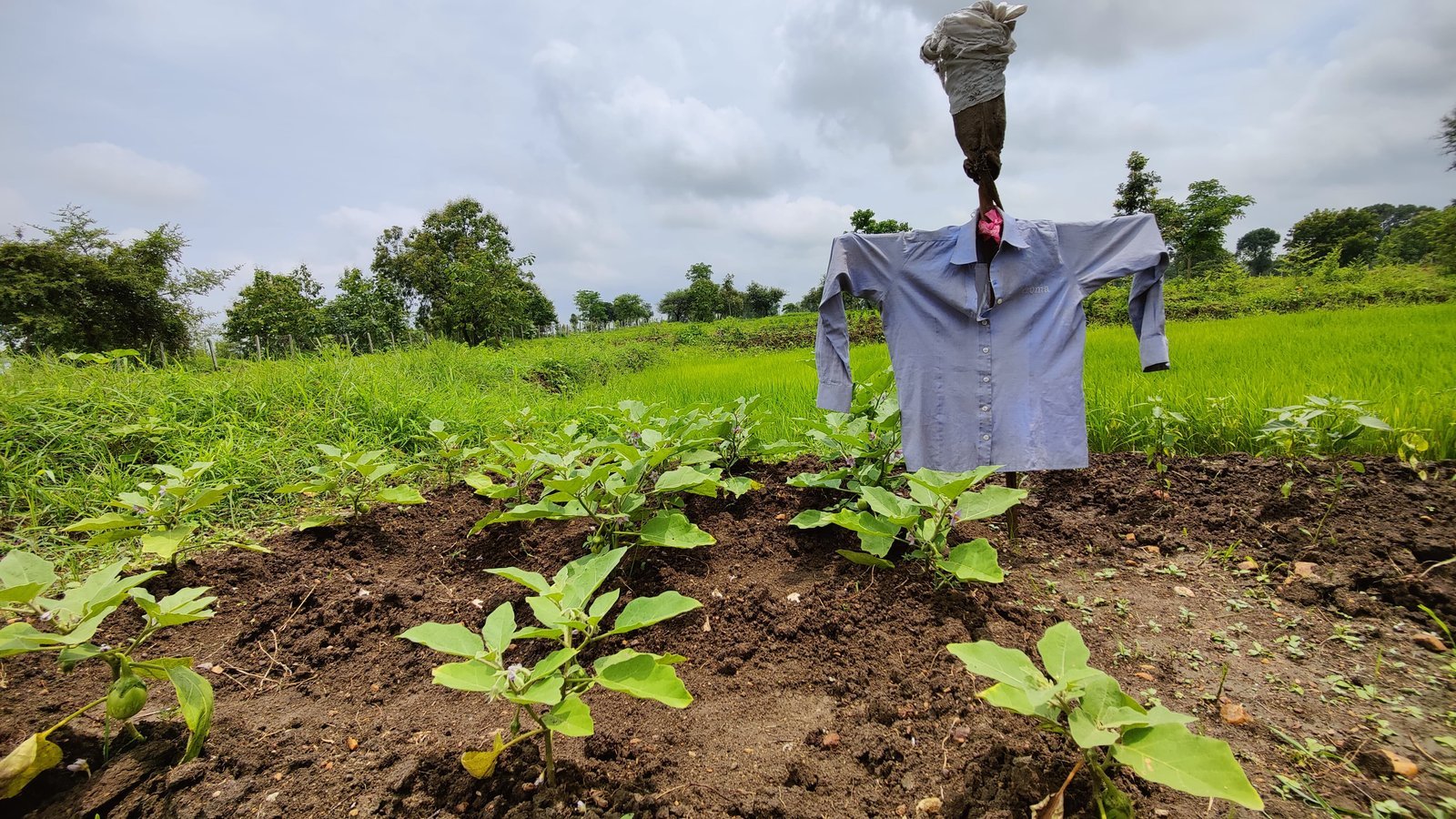
Manik Debnath's fields — 18 acres, Vidarbha

I'm Rohit. I grew up between cities and a Vidarbha family that knew rice the way only farming families do.

We are not trying to sell you 'rice from our farm.' That is a comforting story, and partly true — my father, Manik, runs eighteen acres of paddy in Vidarbha that contributes to our supply — but the truer story is what we choose not to do. We do not Sortex-polish our grain to cosmetic white the way nearly every other Indian brand does. We mill it the older way, and we solve the freshness problem with specialised airtight packaging, not by stripping out what nourishes.

Nothing is polished, sprayed, preserved, or hidden.

Our protein powders and bars come from a different logic. We blend seeds, nuts, sattu, makhana, and Ayurvedic herbs by hand for each order. The herbs come from where they grow best; the seeds come from suppliers we trust. What unifies the lines is the standard, not the address — nothing in any Devi product is polished, sprayed, preserved, or hidden behind a label that says 'natural' while meaning the opposite.

— Rohit Debnath, Vidarbha

No Sortex polishing Hand-blended per order Vidarbha origin For generations Lightly milled Plant-based by design Ayurvedic herbs Made by hand

What we make

Three lines. One philosophy.

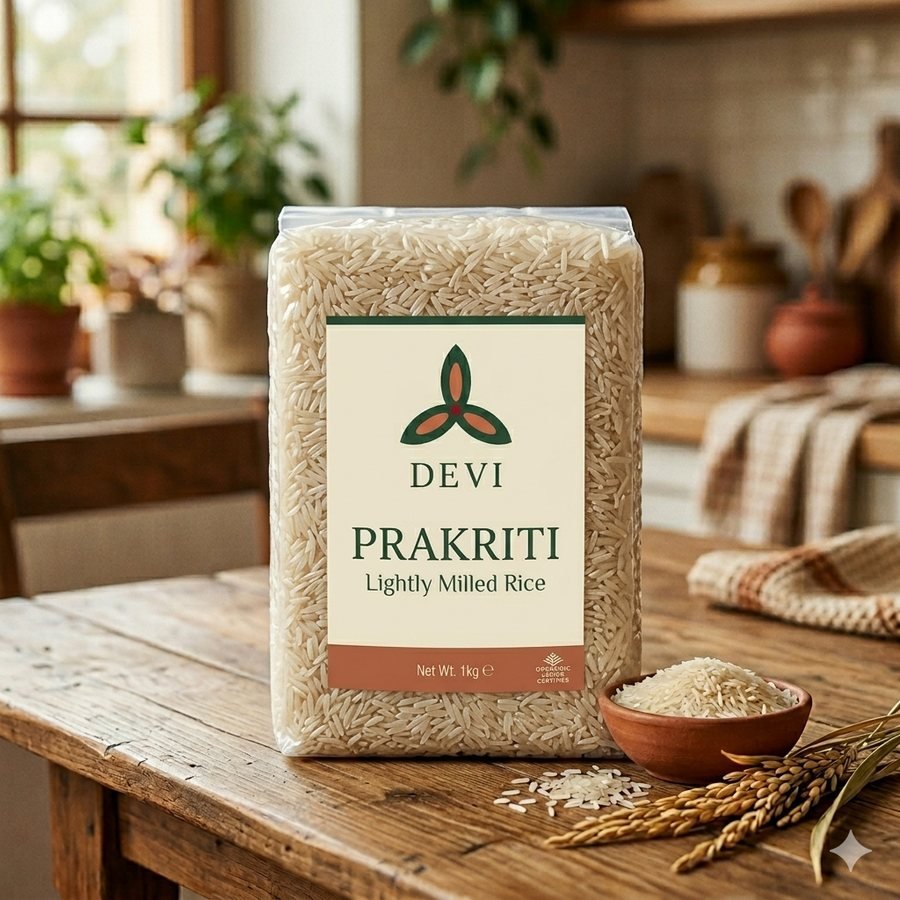
Prakriti — lightly milled Chinoor Basmati and Jai Sriram rice in airtight packaging
Coming soon

Prakriti

18 acres · No Sortex · Batch-traceable

prakṛti · nature

Lightly milled rice — Chinoor Basmati and Jai Sriram. Sourced from our 18-acre Vidarbha family farm and partner farms held to the same standard.

No Sortex polishing. Airtight specialised packaging.

First harvest batch — Kharif 2025

Reserve this line
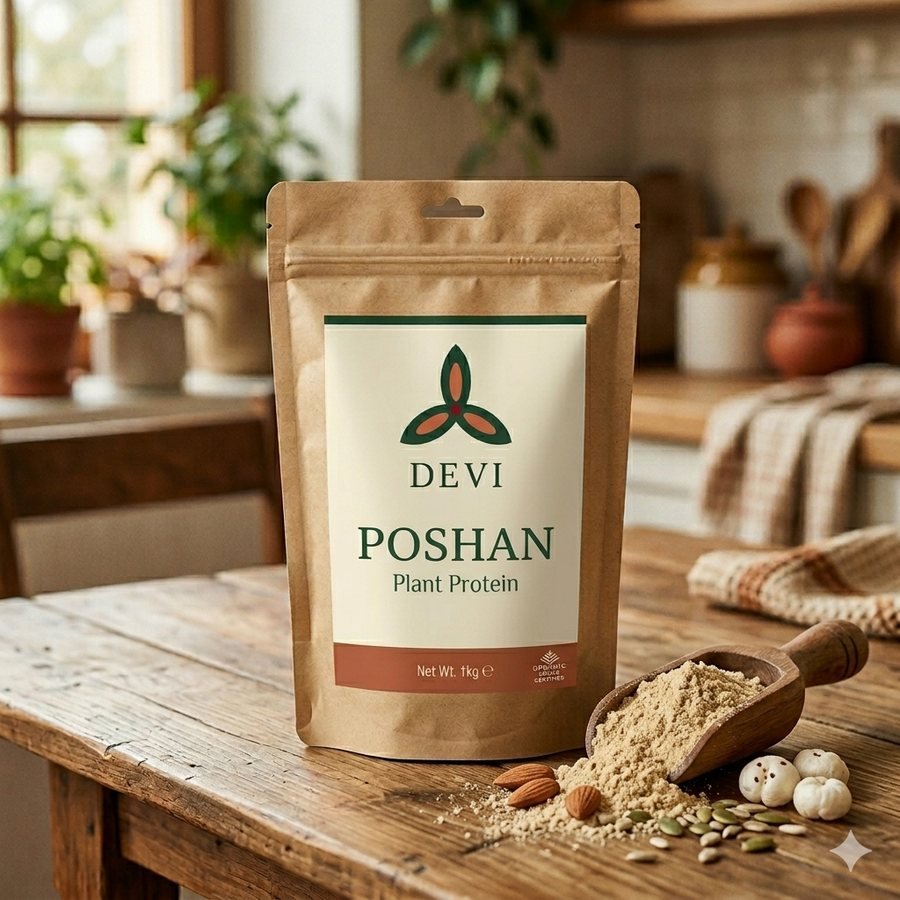
Poshan — hand-blended plant protein powder with seeds, nuts, sattu, makhana and Ayurvedic herbs
Hand-blended · Available now

Poshan

Hand-blended · 4 herbs · 2 flavours

poṣaṇa · nourishment

A plant-based protein blend of seeds, nuts, sattu, makhana, and Ayurvedic herbs — blended by hand for each order.

Herbs: Shatavari, Brahmi, Mulethi, Ananta.

Flavours: Kesar Elaichi Saunf or Chocolate.

Reserve this line
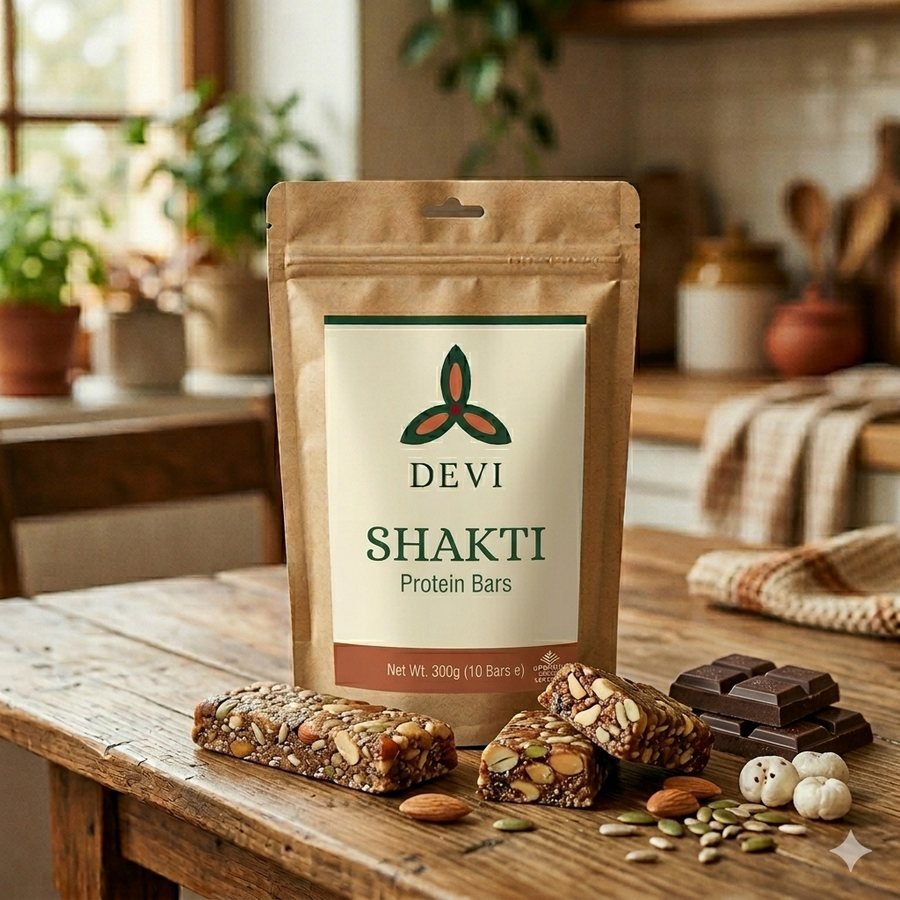
Shakti — made-to-order plant protein bars built on seeds and Ayurvedic herbs
Made to order · Available now

Shakti

6 flavours · No whey · No preservatives

śakti · energy

Protein bars on the same seed-and-herb logic. Six flavours, including chocolate and mango.

No whey, no preservatives, no shortcuts.

Reserve this line
MSME Registered · India Organic Certification Testing Initiated · 2025 Batch-Traceable Supply Chain

— Early reserve customer, Mumbai

Conviction

Why we do this differently

0

Acres

0

Product Lines

0

Ayurvedic Herbs

0

Shortcuts

Why unpolished.

Almost every Indian rice brand uses Sortex polishing — a process that strips the bran, the germ, and the slow carbohydrate in exchange for cosmetic whiteness and a longer shelf life. It works for the supply chain. It cost the rice everything that nourished. We mill our grain the older way, retain what the mill normally throws out, and solve the freshness problem with specialised airtight packaging instead.

Why plant.

Indian households got their protein from seeds, nuts, sattu, and pulses for centuries before whey existed. That food worked. We have put the old answer in a modern format — vegan, lactose-free, with a complete amino acid profile when the seeds are blended correctly.

Why Ayurveda.

Shatavari for stamina. Brahmi for clarity. Mulethi for breath. Ananta for circulation. These herbs have a record going back two thousand years. We do not ask you to believe in them — we ask you to taste them in the right dose, alongside food that nourishes.

Origin

Where Devi begins

Vidarbha — and the decision not to polish.

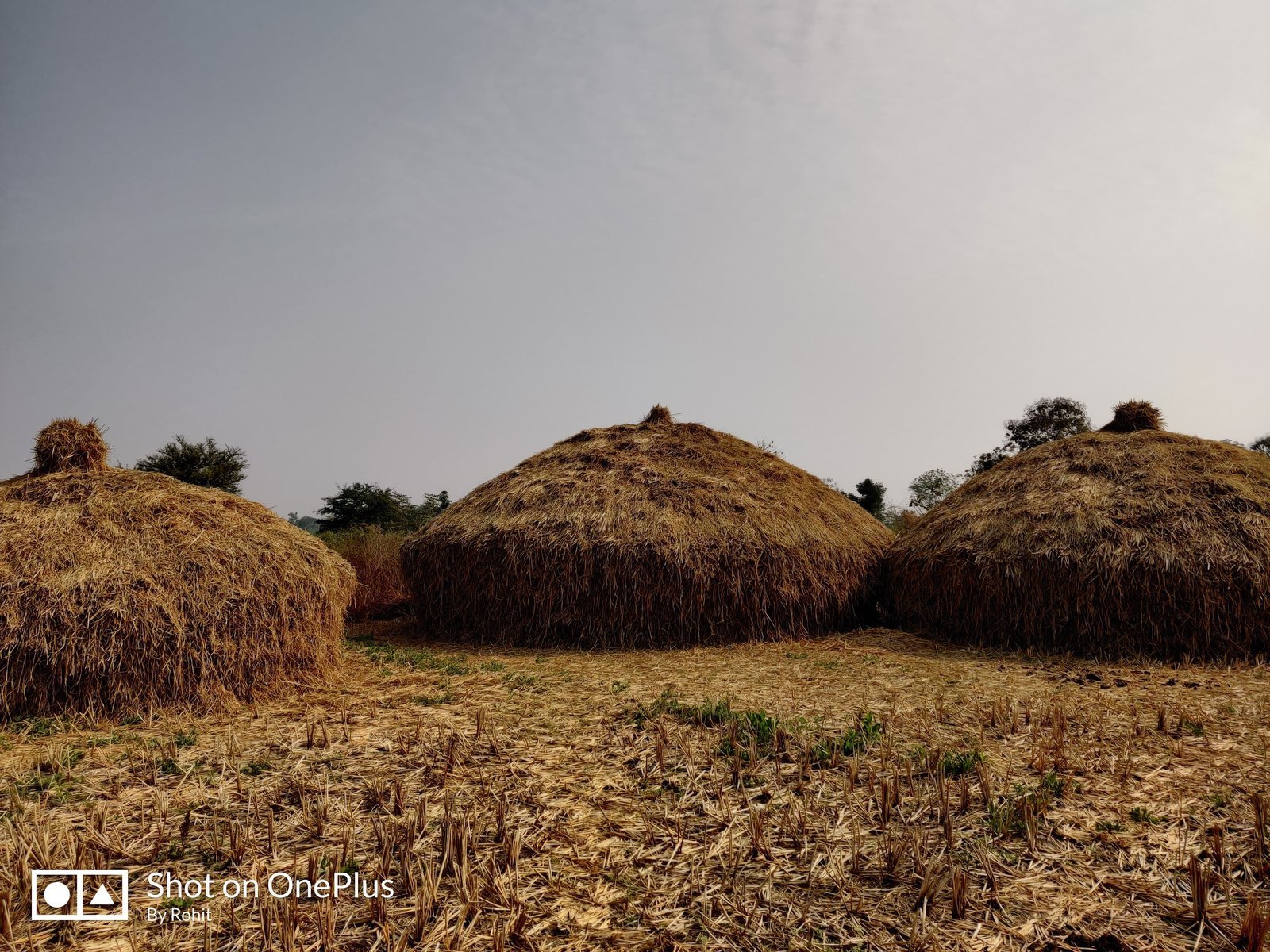
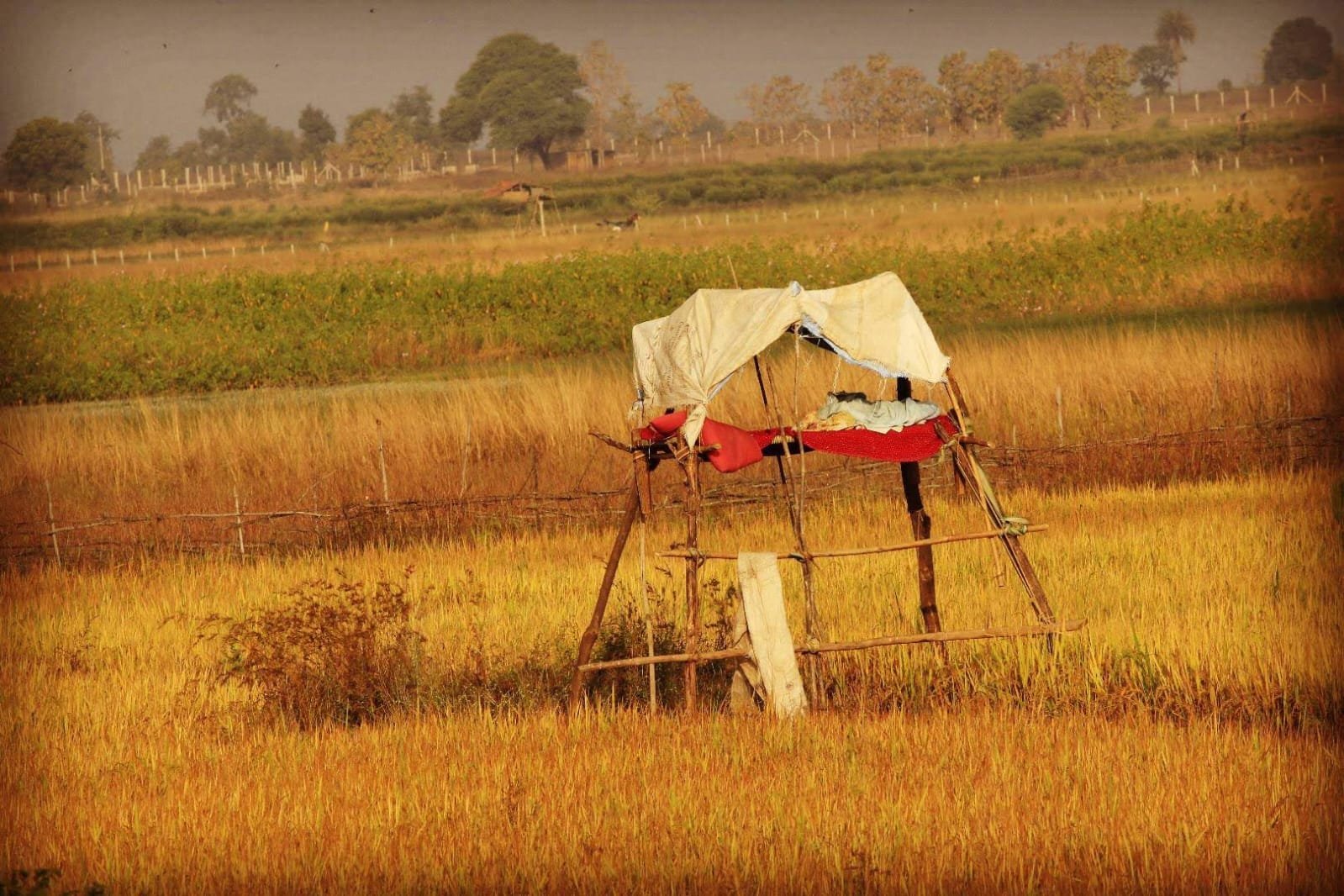
Vidarbha paddy fields at dawn, on the Debnath family's eighteen-acre farm

Our family's eighteen acres in Vidarbha are part of the story, not all of it. The land gives us our anchor crop — Chinoor Basmati and Jai Sriram paddy — and it gives us something harder to source: the standard we hold every partner farm to. When our own harvest runs short, we buy from growers we have walked the fields with, on the same terms we set for ourselves.

Our family has farmed this land for generations. My father, Manik, still walks the bunds at dawn the way his father did, reading the water and the weather before any forecast can. The varieties we grow were not chosen by a marketing team — they are what this soil has always grown well, kept in rotation because they earned their place at our own table first.

What we then do — or rather, what we choose not to do — is the difference. Nearly every rice brand in India sends its grain through Sortex polishing: a machine pass that strips the bran and the germ to win cosmetic whiteness and shelf life. We refuse it. Our grain is lightly milled the older way, keeping what the polisher would throw out, and sealed in specialised airtight packaging so freshness is solved without subtraction.

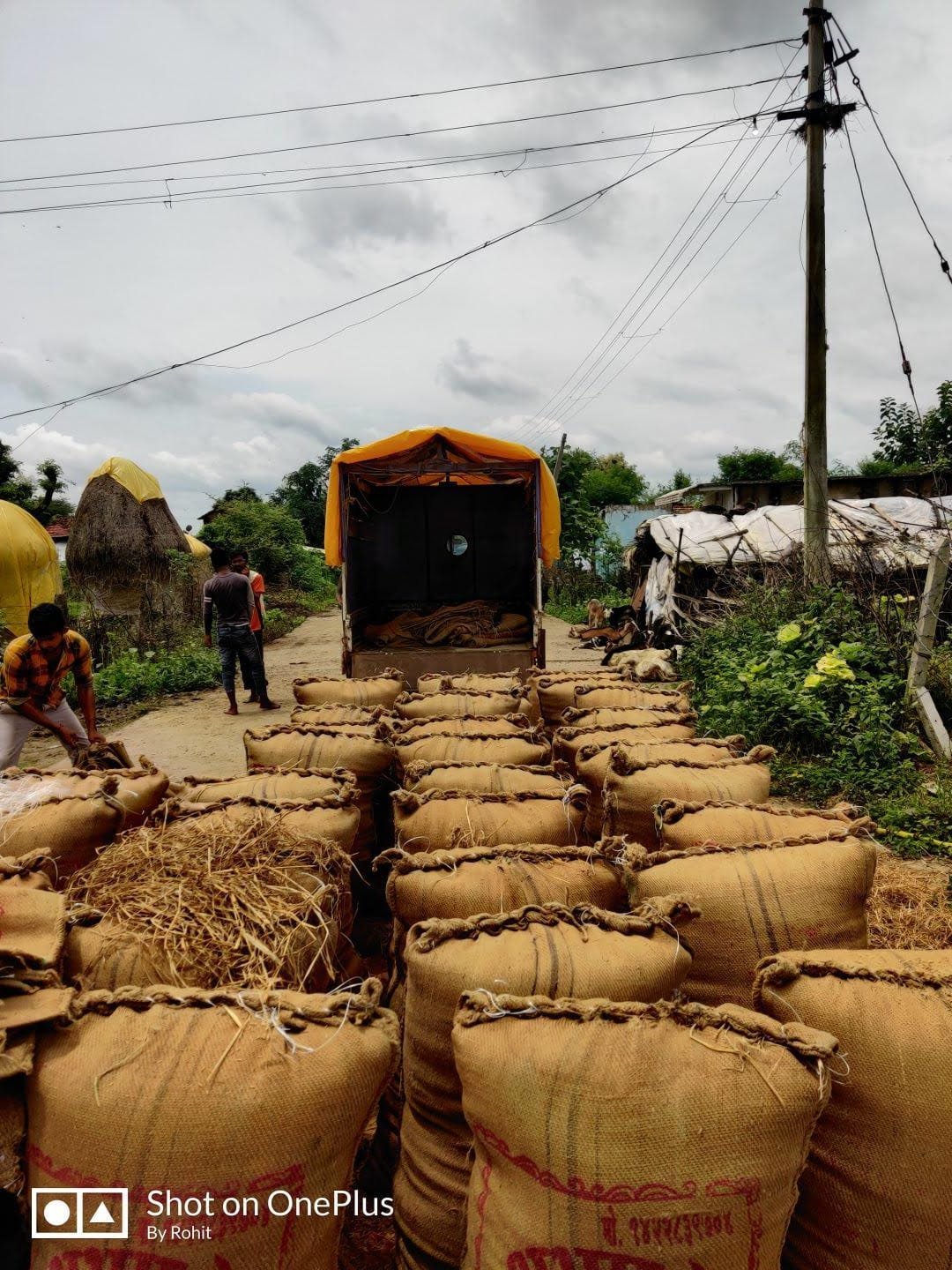
Every Devi rice bag will carry a batch number that traces back to the field it was grown on and the day it was milled. Not as a flourish — as an obligation. If you can trace it, we cannot hide behind it.

No Sortex polishing Airtight specialised packaging Batch-traceable to the field

The road to the first batch

  1. Generations

    Family begins farming Vidarbha land

  2. 2024

    Decision: no Sortex polishing

  3. 2025

    Devi Organic Foods founded

  4. 2025

    Organic certification testing initiated

  5. Kharif 2025

    First Prakriti rice batch

Reserve yours

Tell us which line interests you. We will WhatsApp you to confirm.

Which line interests you?

From the farm and the kitchen

@deviorganicfoods

Follow on Instagram